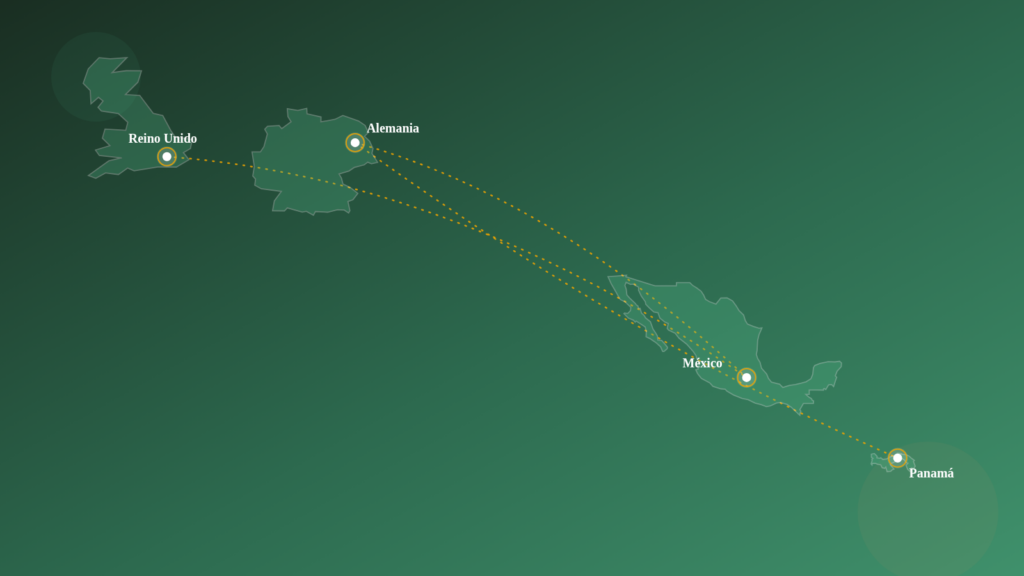
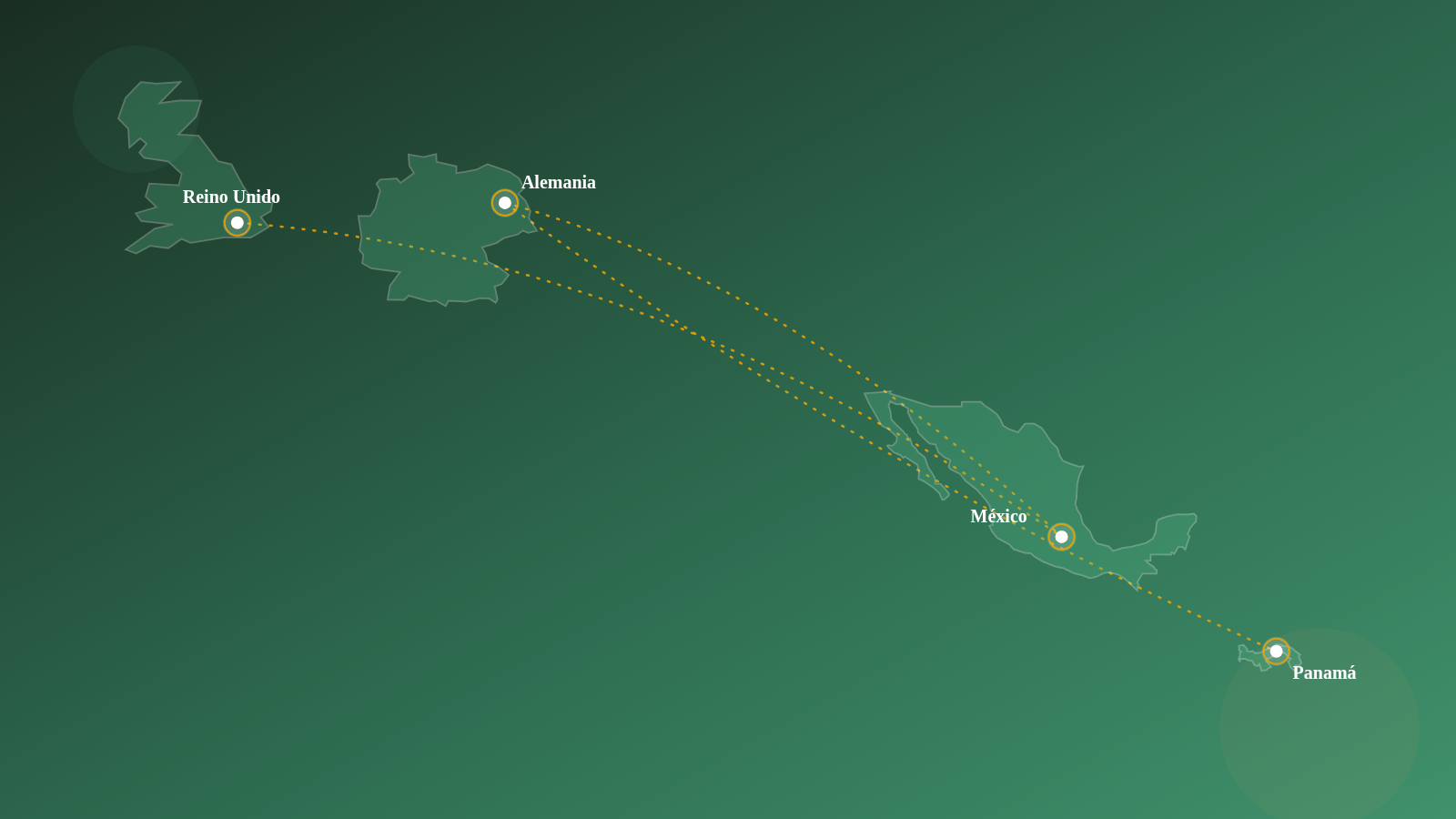
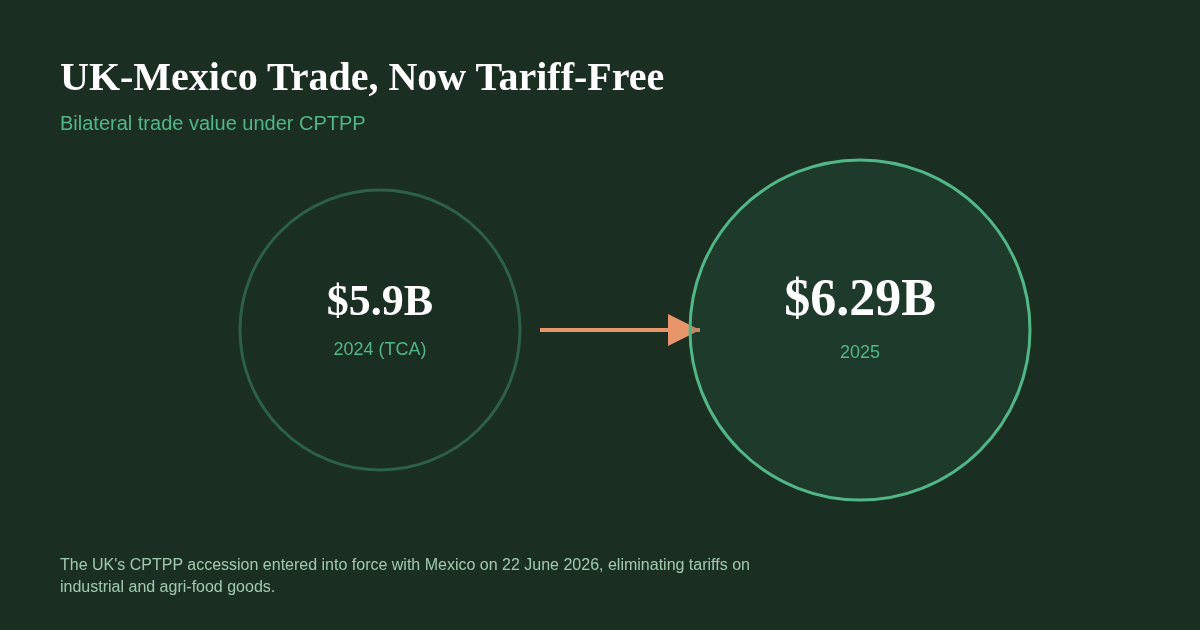
Two trade shifts landed within weeks of each other this year, and together they change the calculus for European businesses eyeing Latin America. In May 2026, the European Union and Mexico moved forward on modernizing their trade agreement, aimed at giving German exporters and investors more legal certainty in an increasingly disruptive global trade environment. A month later, on 22 June 2026, the UK’s accession to the CPTPP entered into force with Mexico, activating tariff-free access on industrial and agri-food goods across a bilateral trade relationship already worth $6.29 billion.
For German and British companies weighing whether now is the moment to move into Latin America, these aren’t background noise — they’re the policy signal.
Germany’s Mexico bet
Mexico is already Germany’s most important trading partner in Latin America, and nearshoring is accelerating that relationship further: companies are relocating production and parts of their value chains to Mexico specifically to shorten delivery routes to the US market and build supply chain resilience. German investment interest is concentrated in advanced manufacturing, digital transformation and Industry 4.0 — not just automotive, the traditional anchor sector.
The EU-Mexico agreement modernization due in 2026 reinforces this: German industry groups have been pushing for exactly this kind of predictability before committing further capital to the region.
Britain’s Pacific pivot
The UK’s CPTPP membership gives British exporters something they didn’t have before: tariff elimination on a wide range of goods into Mexico, with cumulation rules that let UK and Mexican content count jointly toward preferential thresholds. The examples are concrete — chocolate exporters go from tariffs of up to 25% to zero, and cheese producers gain a dedicated tariff-free quota. For a mid-sized British manufacturer or food producer, that’s not a marginal improvement — it’s a market that was effectively closed becoming genuinely competitive.
Where the capital is actually landing: Panama and Colombia
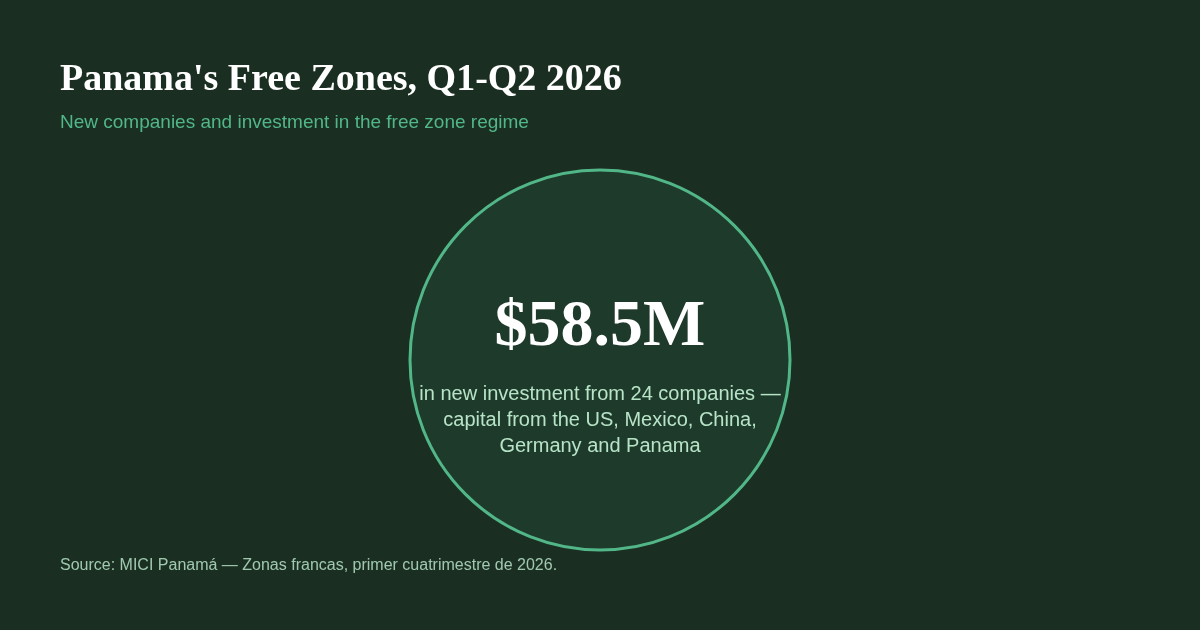
While Mexico dominates the trade headlines, the more interesting entry points for a European investor right now are smaller and faster-moving. Panama’s free zone regime added 24 new companies and $58.5 million in investment in the first four months of 2026 alone — with capital coming in from the US, Mexico, Costa Rica, China, Germany and Panama itself. It’s a small enough market that a serious investor can actually move the needle, with a legal and logistics framework built specifically to make that easy.
Colombia, meanwhile, is in the middle of a renewable energy buildout worth over $900 million across six utility-scale projects starting construction in the first half of 2026 alone. German developer Ib Vogt is building the $208 million Tamarino Solar project in Antioquia — a concrete example of German capital already finding its way into the country’s energy transition, not just its manufacturing sector.
What this means in practice
The trade agreements lower the cost of doing business. They don’t remove the need for a company incorporation strategy, a tax structure that makes sense in the destination country, or a digital and operational setup that can actually run the business once it’s there. That groundwork is what determines whether a German or British company captures the opportunity these agreements just opened, or spends its first eighteen months in the region untangling avoidable mistakes.
This is exactly where LibreInnova works: guiding European companies through company incorporation, legal and tax structure, and full digitalization — so that a German or British business moving into Panama or the wider LatAm region starts with the operational foundation the opportunity actually requires.
Sources:
Mexico Business News — Geopolitics, Uncertainty Could Fuel New German Business in Mexico
BDI — Mexico and Germany: Unlocking the Potential of a Stronger Partnership
Mexico Business News — UK-Mexico CPTPP Trade Pact Takes Effect June 22
MICI Panamá — Zonas francas: dinamismo en el primer cuatrimestre de 2026
BNamericas — Six Projects Driving Colombia’s Next Renewables Wave